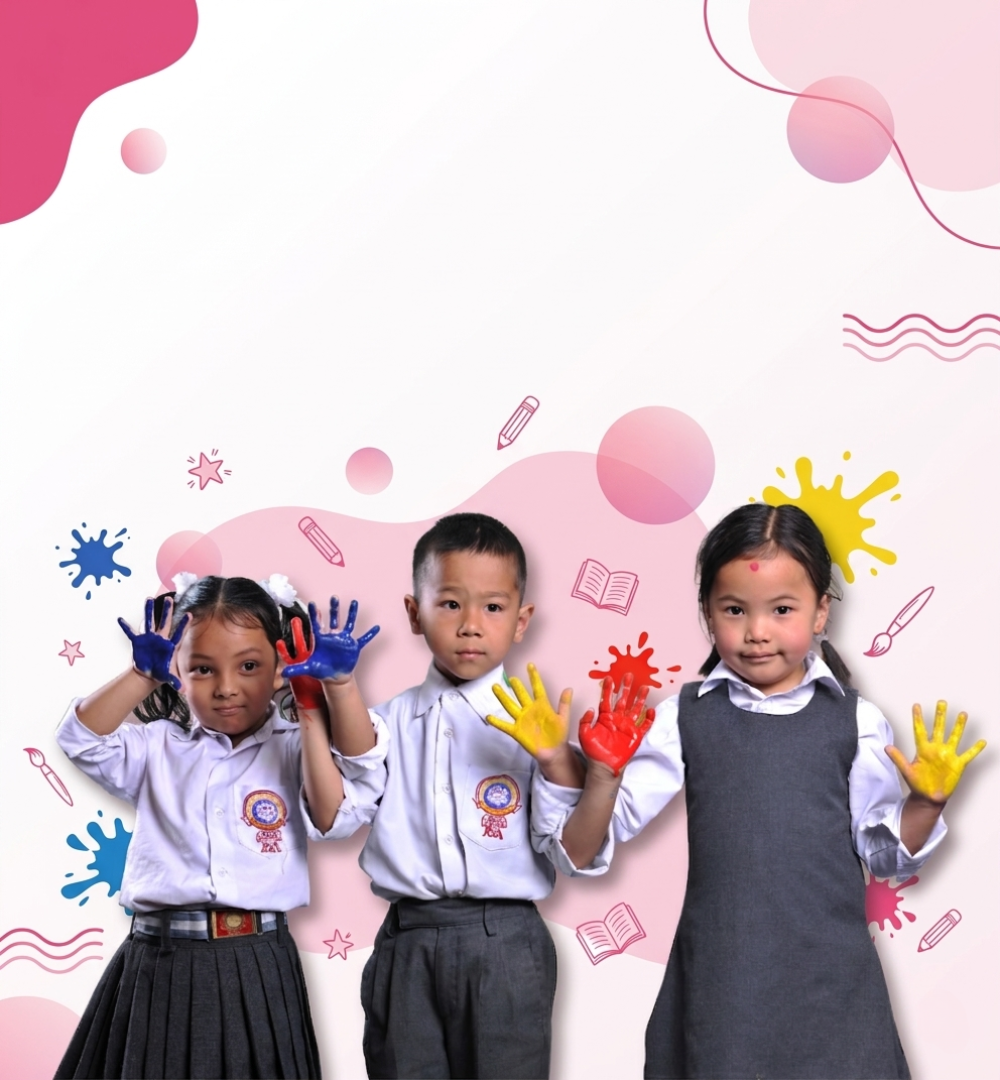
Primary Level at RIA is designed for children between the ages of 6 to 10 years, where learning goes beyond textbooks and focuses on the overall development of every child. At this stage, students are guided to grow emotionally, socially, physically, creatively, and academically in a nurturing environment. RIA believes that primary education is the foundation for building confidence, moral values, communication skills, and lifelong learning habits.
Using child-centered and activity-based teaching methods, students are encouraged to explore, ask questions, work together, and discover their hidden talents. The school combines structured academics with creativity, practical learning, play-based activities, and collaborative experiences to make learning meaningful and enjoyable.
Message from the Coordinator
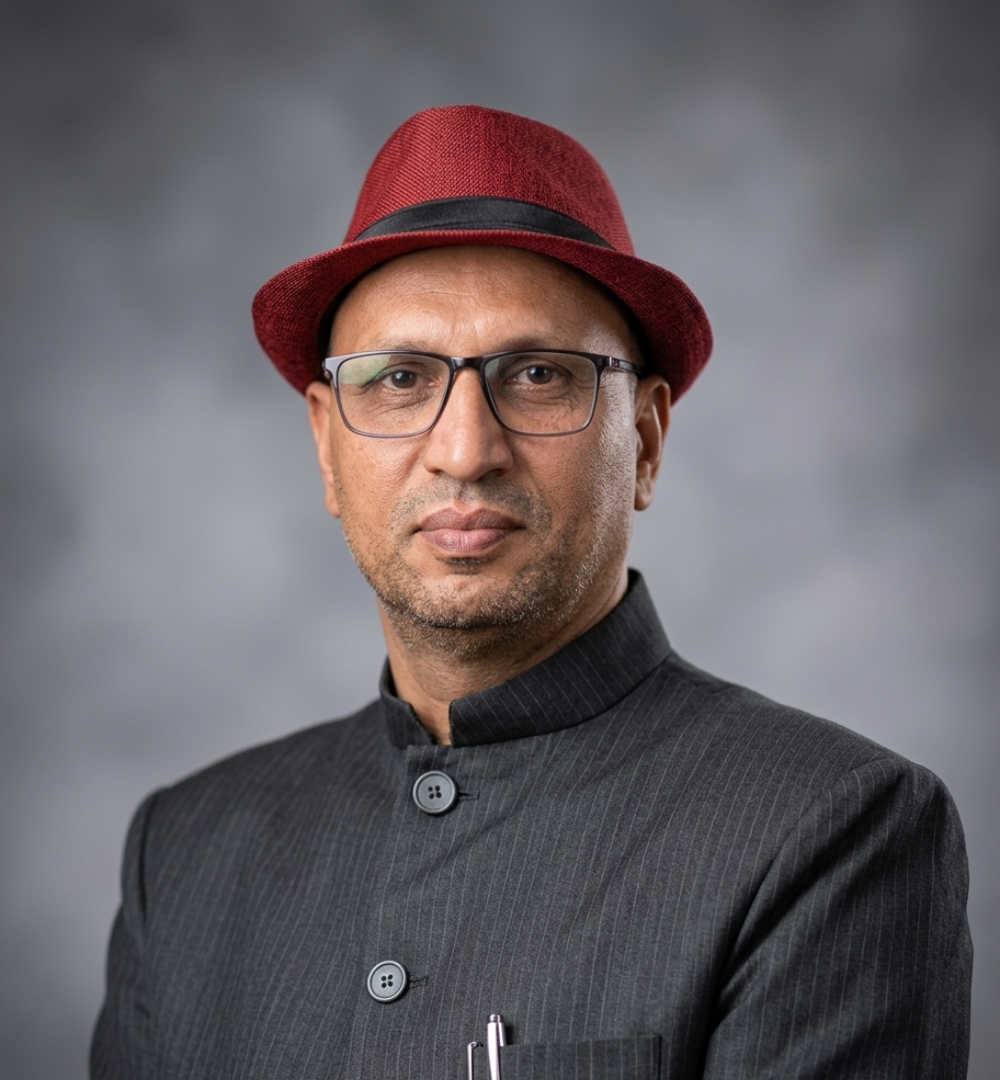
Welcome to the Primary Level at RIA, where we believe every child has unique potential waiting to be discovered. Our primary years are carefully designed to help students build strong academic foundations while also nurturing confidence, creativity, discipline, and social responsibility.
We focus on creating a positive and caring learning environment where children feel safe, motivated, and excited to learn every day. Through activity-based learning, group work, inquiry, projects, and practical experiences, we encourage students to think independently and express themselves with confidence.
At RIA, our goal is not only to help children perform well academically, but also to guide them in becoming kind, responsible, and capable individuals ready for future challenges.
Mr. Ghanshyam Kadariya
Primary Level Coordinator
Core Features
Activity-Based Learning
Students learn through hands-on activities, games, experiments, projects, and classroom participation that make concepts easier to understand and remember.
Inquiry-Based Learning
Students are encouraged to ask questions, explore ideas, investigate topics, and develop critical thinking skills with teachers acting as facilitators.
Collaborative Learning
Students regularly work in groups to solve problems, complete projects, and build teamwork, communication, and leadership skills
Practical and Creative Exposure
Children participate in storytelling, art, craft, music, sports, yoga, project work, and technology-based learning to support their all-round development.
Child-Centered Approach
Every child is treated as an individual learner. Teachers focus on supporting emotional, social, physical, artistic, and academic growth through personalized attention and guidance.
Multisensory Learning
Teaching uses visuals, sound, movement, discussions, and practical tools to help students understand concepts in an engaging and memorable way.
Strong Moral Foundation
The primary level places equal importance on values, discipline, respect, confidence, and character building so students develop into responsible individuals.
Use of Technology and Audio-Visual Learning
Smartboards, multimedia presentations, charts, models, and other audio-visual tools are used to make lessons more interactive, interesting, and effective.
Moments Gallery
This website uses cookies to improve your web experience.